

Trip Facts
- Total Duration 21 days
- Trip Grade Moderate to Strenuous
- Max Altitude 5310m.
- Start From Juphal
- End From Juphal
- Min Size 2 pax
- Max Size 10 pax
- Trip Mode Camping Trekking
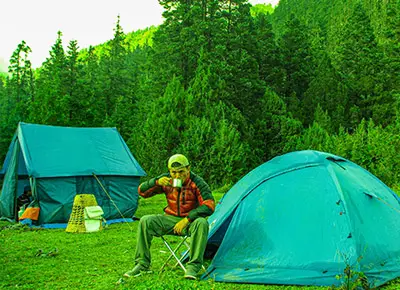
- Accommodation Tent
- Best Season: Late-March to May and September to November
Trip Highlights
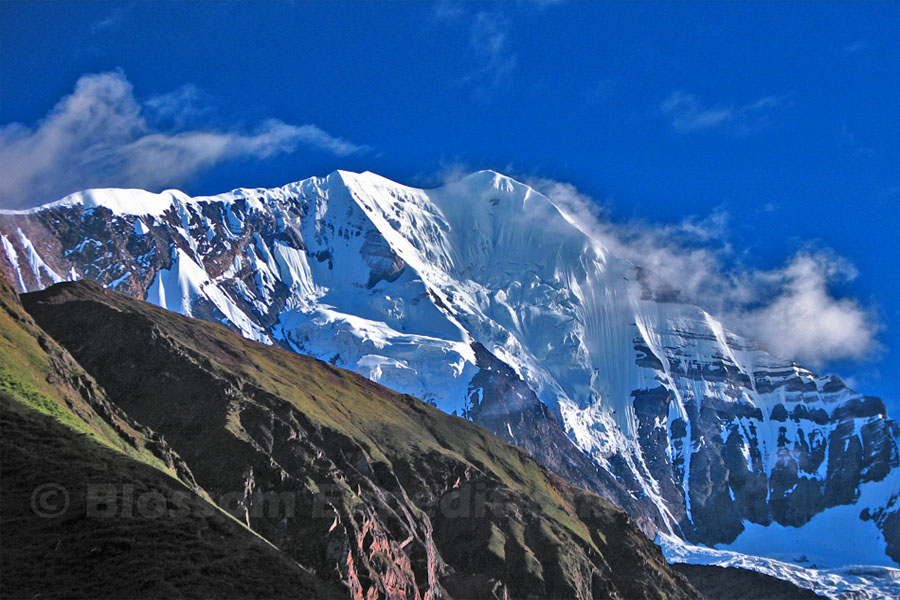
- Dramatic Landscapes & High Passes: Trek through wild valleys, rugged cliffs, and cross challenging high passes with breathtaking trans-Himalayan panoramas.
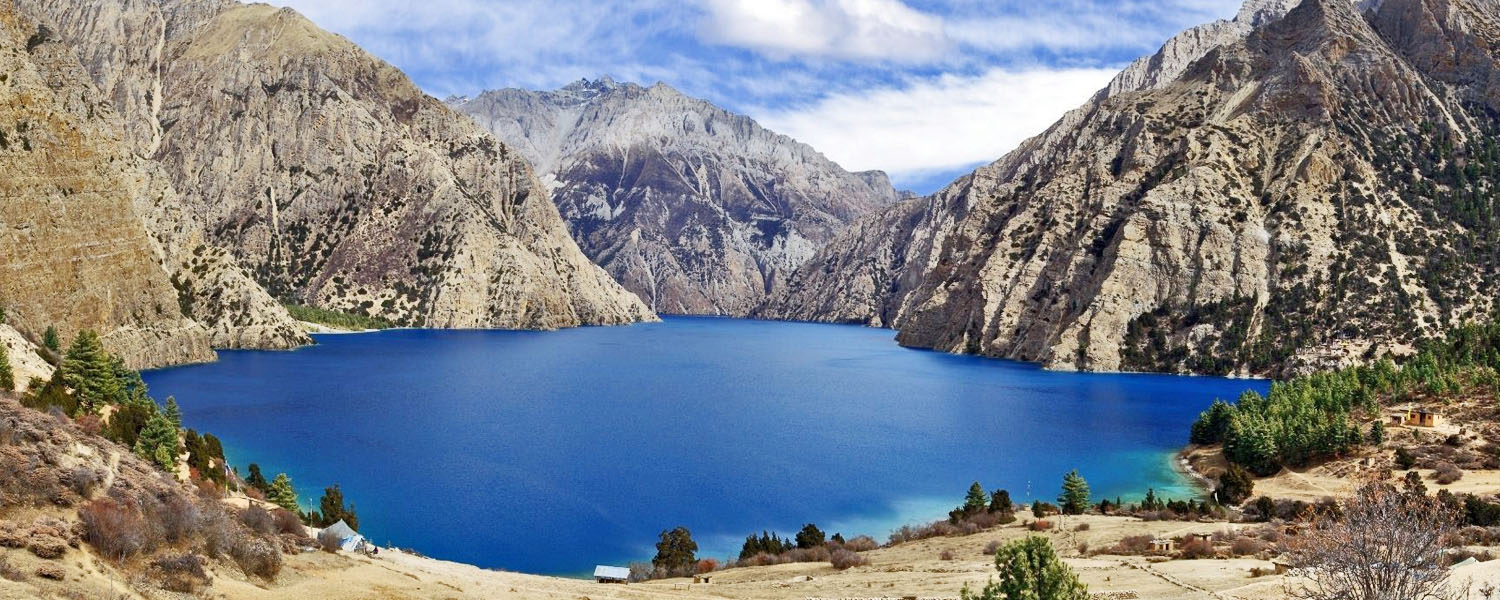
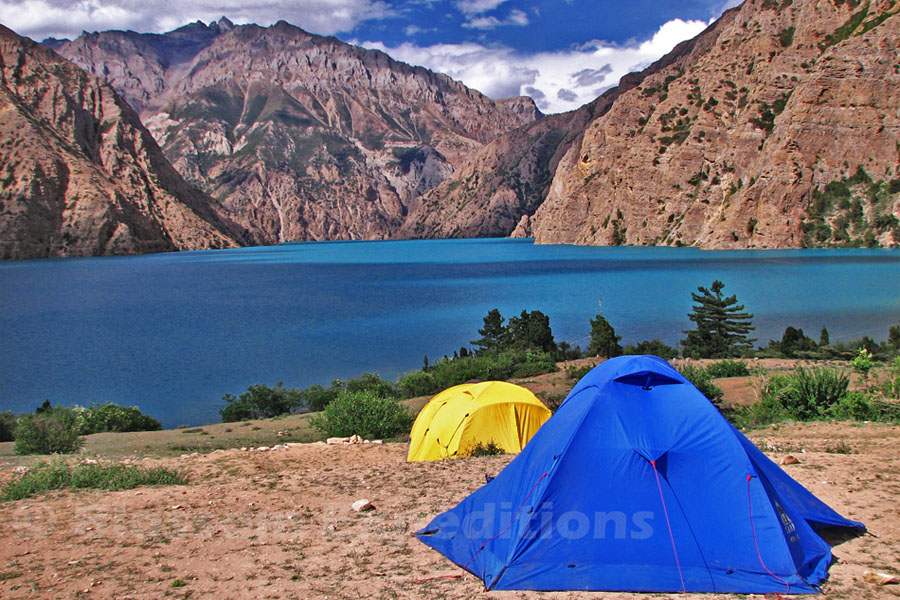
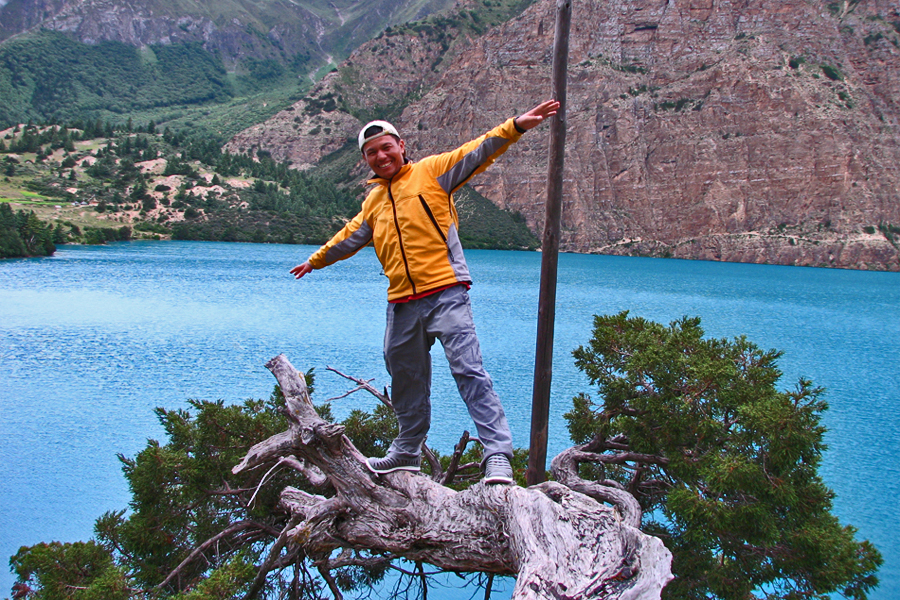
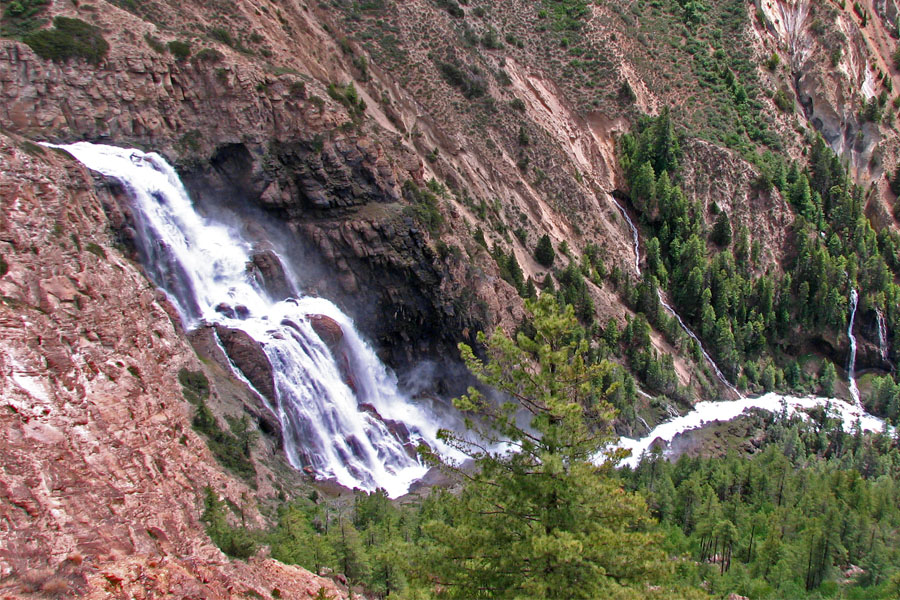
- Shey Phoksundo Lake & Natural Wonders: Discover the stunning turquoise Shey Phoksundo Lake, cascading waterfalls, and pristine rivers in a truly untouched setting.
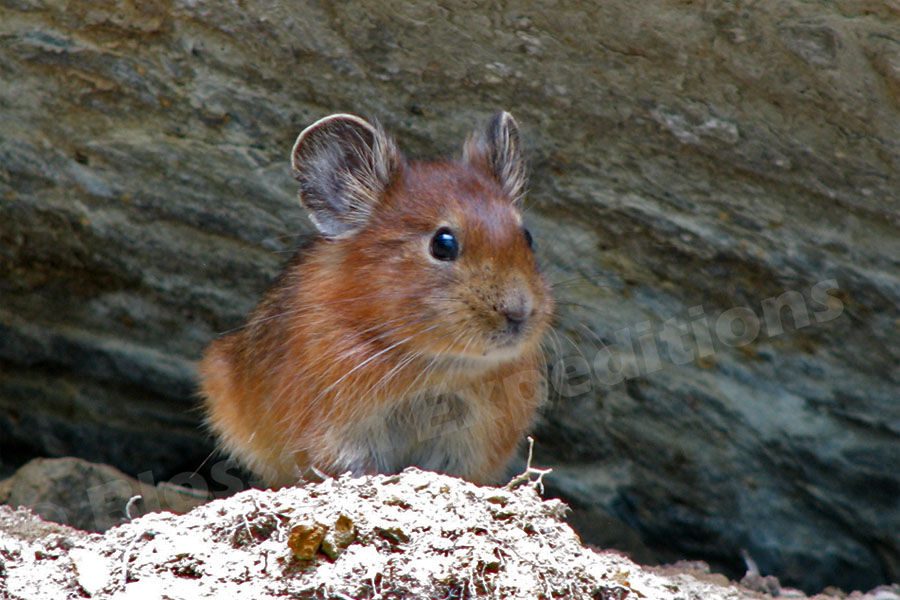
- Rich Wildlife & Remote Wilderness: Explore diverse ecosystems with chances to spot rare Himalayan wildlife, including blue sheep and musk deer.
- Ancient Culture & Himalayan Traditions: Experience traditional Tibetan villages, Bon and Buddhist heritage, ancient monasteries, mani walls, and authentic yak caravans along historic trade routes.
Remote Himalayan Adventure in the Hidden Land of Dolpo
Lower Dolpo Trekking offers a truly unforgettable journey in western Nepal, deep within the remote Trans-Himalayan region known as “Ba Yul,” the Hidden Sacred Land. Located north of the Dhaulagiri Range and within the Himalayan rain shadow, Dolpo features dramatic, barren landscapes shaped by shifting light and shadow. The highlight is the mesmerizing Shey Phoksundo Lake, famous for its striking turquoise-blue colors, one of Nepal’s most beautiful and deepest alpine lakes. Ancient yak caravans still follow traditional salt trade routes to Tibet, preserving centuries-old Himalayan practice.
Trek Through Shey Phoksundo National Park
Opened to foreign trekkers in 1990, the Lower Dolpo Trek remains one of Nepal’s most remote and off-the-beaten-path adventures. The journey takes place within Shey Phoksundo National Park, offering spectacular mountain views, rare wildlife, and rich Bon and Buddhist heritage. The trek begins with a scenic flight from Kathmandu to Juphal via Nepalgunj, leading into rugged and barren landscapes, deep gorges, and traditional Tibetan villages.
Lower Dolpo Trek Highlights and Route Options
The trek follows diverse routes, with options to visit Phoksundo Lake or extend the journey across high passes like Numa-La (5,310 m), Baga-La (5,175 m), or Kangmara-La. A standard route passes through Tarakot, Newarpani, and reaches Do Tarap (4,019 m), one of Nepal’s highest permanent settlements, known for its monasteries, ancient stupas, and traditional lifestyle.
From Do Tarap, the trail crosses remote high passes before descending to Phoksundo Lake (3,612 m), where trekkers explore its serene beauty and nearby Bon monastery. The return follows scenic trails to Shyanta and Juphal, with flights back to Kathmandu via Nepalganj.
Discover one of Nepal’s last untouched Himalayan regions with Blossom Expeditions. Lower Dolpo’s rare cultural heritage, dramatic landscapes, and deep remoteness combine to create a once-in-a-lifetime trekking experience in the far west of Nepal.
Trip Itinerary
| Days | Programs |
| 1 | Arrival at Kathmandu (1300m) International Airport, meet our representative and transfer to your hotel. |
| 2 | Sightseeing around Kathmandu: Swayambhunath Stupa, Patan Durbar Square, Pashupatinath Temple, and Boudhanath Stupa |
| 3 | Fly to Nepalgunj |
| 4 | Fly to Juphal (2475m) early morning and trek to Dunai (2140m), 3-4 hours |
| 5 | Trek to Tarakot (2537m), 5-6 hours |
| 6 | Trek to Laini (3370m), 6-7 hours |
| 7 | Trek to Newarpani (3475m), 5-6 hours |
| 8 | Trek to Langa Camp (3870m), 5-6 hours |
| 9 | Trek to Dho Tarap (3965m), 5-6 hours |
| 10 | Rest day for acclimatization |
| 11 | Trek to Numala Base Camp (4440m), 5-6 hours |
| 12 | Trek to Bagala Base Camp (4630m), over Numa La Pass (5238m), 6-7 hours |
| 13 | Trek to Yak Kharka (3982m) over Baga la Pass (5214m), 6-7 hours |
| 14 | Trek to Phoksundo Lake (3600m), 4-5 hours |
| 15 | Exploration day |
| 16 | Trek to Shyanta (2520m), 6-7 hours |
| 17 | Trek to Juphal (2475m), 6-7 hours |
| 18 | Extra day |
| 19 | Fly to Nepalgunj early morning, and the same day, fly to Kathmandu |
| 20 | Free Day |
| 21 | Departure for Home |
Trip Cost
Per person USD3650
Single supplementary USD150
Trip Deposit USD1000
(optional single accommodation in KTM only)
What's Included
- Lower Dolpo trekking permit fees
- Three meals a day (breakfast, lunch, and dinner) with hot drinks
- Accommodation during the trip in tents on a sharing basis
- Guide, assistant guide, and porter’s wages, food, accommodation, and insurance
- Airfare: Kathmandu–Nepalgunj–Kathmandu and Nepalgunj–Juphal–Nepalgunj, including the guide
- Four nights’ accommodation in Kathmandu and one night in Nepalgunj in a tourist-standard hotel
- Airport transfers
- National Park and TIMS card fees
- Staff transfers
- Tour guide and transfers for a day sightseeing.
- Entrance fees for sightseeing.
- All government taxes.
What's Excludes
- Cold and hard drinks, and water
- Food in Kathmandu and Nepalgunj
- Travel insurance, emergency evacuation, and personal medical expenses
- Any donations along the trail and anything not mentioned above
- Field Staff Tips
Trip Gallery
Trip FAQs
What permits are required for the Lower Dolpo Trek?
- Lower Dolpo Restricted Area Permit (RAP): Issued by the Department of Immigration and mandatory for entering the restricted Dolpo region.
- Shey Phoksundo National Park Entry Permit: Required to access the protected national park, including Phoksundo Lake and surrounding areas.
Note: Blossom Expeditions takes care of the entire permit application process for you before your arrival in Nepal.
How much does the Lower Dolpo Restricted Area Permit (RAP) cost?
The current cost of the Lower Dolpo RAP is USD 20 per person per week for the first four weeks. If your stay exceeds four weeks, the permit fee increases to USD 25 per person per week.
Why is a mandatory guide and a minimum of two trekkers required for Dolpo?
The Nepal government classifies Dolpo as a Restricted Area to protect its fragile culture and to ensure trekker safety in a very remote region. According to regulations, trekking permits cannot be issued to solo travelers. You must trek with at least two people and be accompanied by a government-licensed guide from a registered trekking agency.
How reliable are the flights to Juphal (Dolpo), and what happens if they are delayed?
Flights to Juphal Airport are operated by small STOL (Short Take-Off and Landing) aircraft and are highly dependent on weather conditions. Clouds, strong winds, or poor visibility can cause delays or cancellations. If a delay occurs, we prioritize rescheduling your flight at the earliest opportunity. We strongly recommend allowing 2–3 buffer days in your international travel schedule to manage possible flight disruptions.
Can I drive to Dolpo from Kathmandu instead of flying?
Although road access in Nepal is gradually improving, there is still no direct paved road from Kathmandu to Juphal. A long and rugged overland journey via Nepalgunj and Jajarkot is possible by 4WD jeep, but it takes 2–3 days of very rough travel. Most trekkers choose to fly in order to save time and focus on the trek.
What is the weight limit for the domestic flight to Juphal?
The domestic flight from Nepalgunj to Juphal has a strict weight limit of 15 kg per person, including both checked duffel bags and hand carry. To stay within the limit, we recommend wearing heavier items such as trekking boots and jackets during the flight.
How difficult are the Numa La and Baga La passes?
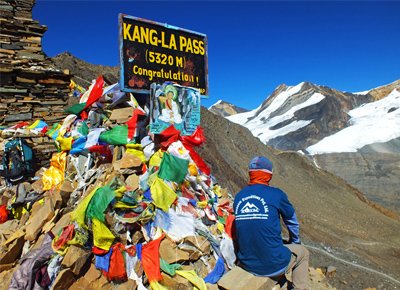
Both Numa La (5,310m) and Baga La (5,175m) are physically demanding high passes. They involve long, steep ascents and descents on rocky trails. While no technical climbing equipment is required, these sections demand good physical fitness, strong stamina, and proper acclimatization. These passes are among the highlights of the trek, offering stunning 360-degree views of the Dhaulagiri and Kanjirowa ranges.
Is Lower Dolpo a tea house trek or a camping trek?
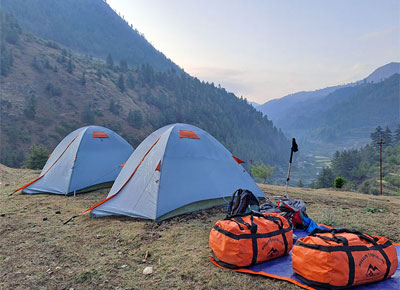
While very basic tea houses and homestays are available in a few villages, they are limited, especially during the peak season. Therefore, the Lower Dolpo Trek is primarily a fully supported camping trek. Blossom Expeditions provides high-quality tents, a dedicated kitchen team, and a professional cook to ensure comfortable accommodation and nutritious meals even in the most remote sections of the trek.
Is Lower Dolpo really in a rain shadow? Can I trek there during the monsoon?
Yes, Lower Dolpo lies north of the Dhaulagiri range, which blocks much of the monsoon rainfall. While most parts of Nepal experience heavy rain from June to August, Dolpo remains relatively dry, making it one of the few regions suitable for summer trekking. However, the Lower Dolpo area can receive some rain, especially in the early sections of the trek. The main challenge during the monsoon is the increased risk of flight delays or cancellations at Nepalgunj and Juphal due to cloud cover.
Is there any mobile network or Wi-Fi in Lower Dolpo?
Communication facilities are extremely limited in Lower Dolpo. You may find a weak mobile signal (NTC or Ncell) in Dunai or Juphal, but beyond these areas, especially toward Phoksundo Lake and Do Tarap, there is no mobile network or Wi-Fi.
How do we manage drinking water in the remote areas of Dolpo?
To protect the fragile environment, we do not use plastic bottled water. During camping treks, our kitchen staff provides boiled and filtered drinking water every morning and evening. We also recommend bringing personal water purification tablets or a Steripen as a backup.
What is the difference between Bon and Buddhist Religion in Dolpo?
Dolpo is one of the last regions where Bon, Nepal’s pre-Buddhist religion, is still actively practiced. A simple way to distinguish the two traditions is the direction of circumambulation: Buddhists walk clockwise, while Bon followers walk counter-clockwise around the stupa or the Monastery. Both traditions share a deep respect for nature and sacred landscapes.
Can I photograph monks and local nomads in Dolpo?
Photography is generally allowed, but it is important to ask for permission first as a sign of respect. Most locals are friendly, but some monasteries may charge a small fee for interior photography or restrict photos during prayer ceremonies. Your guide will help ensure all interactions are respectful and culturally appropriate.
Trip Highlights
- Dramatic Landscapes & High Passes: Trek through wild valleys, rugged cliffs, and cross challenging high passes with breathtaking trans-Himalayan panoramas.
- Shey Phoksundo Lake & Natural Wonders: Discover the stunning turquoise Shey Phoksundo Lake, cascading waterfalls, and pristine rivers in a truly untouched setting.
- Rich Wildlife & Remote Wilderness: Explore diverse ecosystems with chances to spot rare Himalayan wildlife, including blue sheep and musk deer.
- Ancient Culture & Himalayan Traditions: Experience traditional Tibetan villages, Bon and Buddhist heritage, ancient monasteries, mani walls, and authentic yak caravans along historic trade routes.
Call Us On
You May Also Like
Upper Mustang Trekking
Upper Dolpo Trek
Nar Phu Trekking
Makalu Base Camp Trek
Jumla Rara Lake Trek