Discover the Heart of the Himalayas
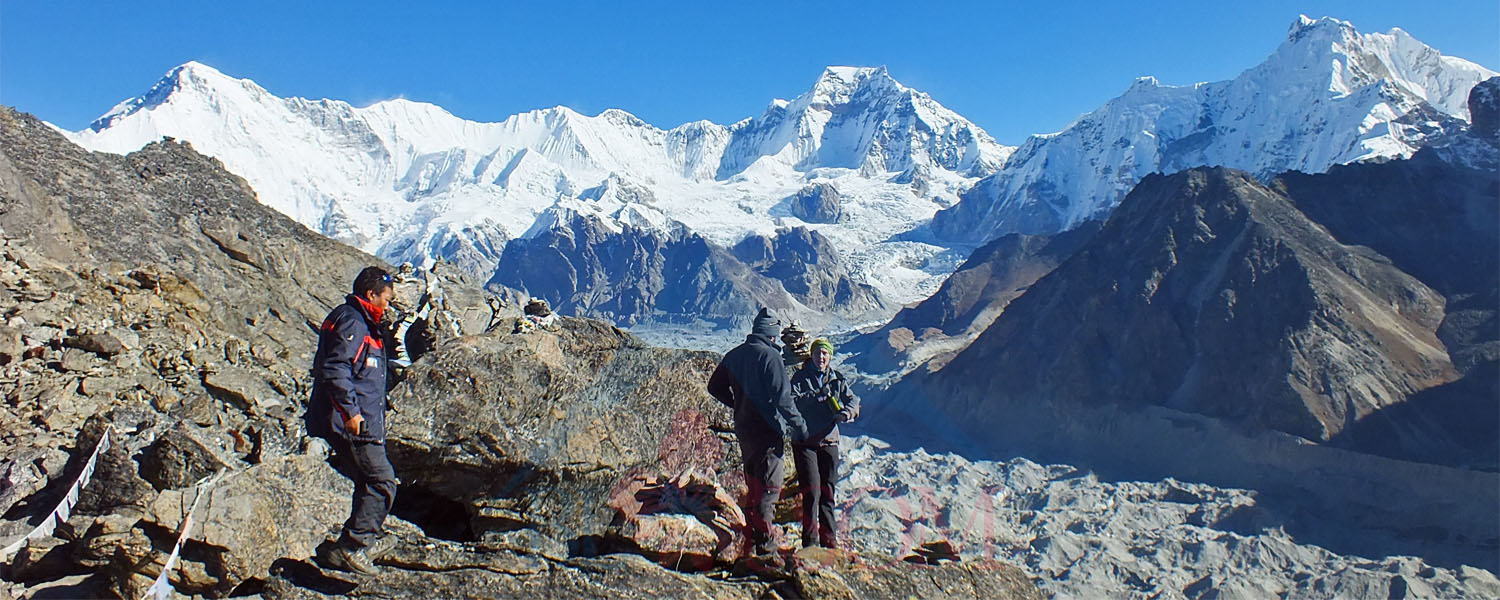
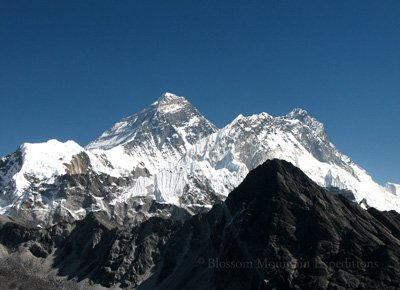
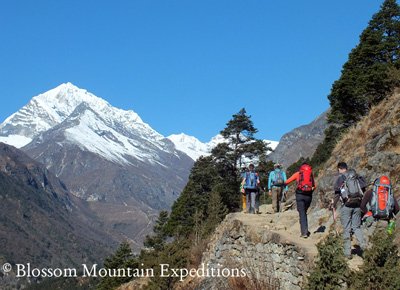
The Everest Region Trekking in Nepal is one of the most famous trekking destinations in the world, offering close views of Mount Everest along with rich Sherpa culture, picturesque villages, and ancient Buddhist monasteries. Located in the Khumbu region, it is a top choice for trekkers seeking a perfect blend of nature, culture, and thrilling adventure in the eastern Himalaya.
What Makes Everest Region Trekking Special?
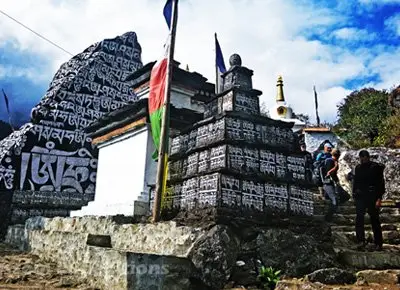
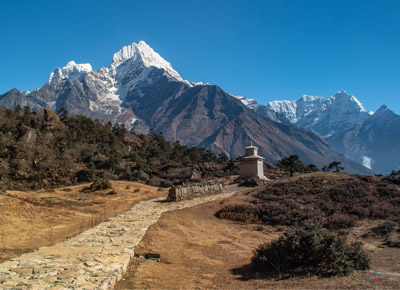
Sherpa Culture & its Heritage: The Sherpas, who migrated from eastern Tibet over 400 years ago, have a unique lifestyle adapted to the high Himalayas environment. Their traditions include sustainable farming, yak herding, and strong environmental conservation practices. As followers of Mahayana Buddhism, they have built important monasteries in Khumjung, Pangboche, Thame, and Tengboche. Trekking trails are lined with prayer flags, Mani stones, and stupas, reflecting deep spiritual beliefs. Festivals like Dumji and Mani Rimdu are celebrated with great enthusiasm.
Flora, Fauna & Landscape: The Everest region features diverse ecosystems, from pine and oak forests below 3,200 meters to alpine vegetation at higher altitudes. This region is home to rare wildlife such as the snow leopard, musk deer, Himalayan thar, and the colorful Impeyan pheasant. Glaciers, rivers, and dramatic landscapes make every trek visually stunning.
Blossom Expeditions offers expertly tailored trekking itineraries, including the Everest Panorama Trek, Everest View Trek, Everest Base Camp Trek, Everest Base Camp & Gokyo Lakes Trek, Everest Base Camp Trek and Helicopter Tour, Everest Three Pass Trek, Pikey Peak Everest Trek, and the Mani Rimdu Festival Trek, helping you experience the Himalayas at their best. All itineraries are flexible and can be customized to suit your time and interests.
Spring and autumn are the best seasons for trekking in the Everest region of Nepal. During these months, the weather is generally clear, temperatures are moderate, and the skies are bright blue, offering excellent Himalayan views. In spring, blooming rhododendrons and wildflowers make the landscape vibrant and colorful.
However, trekking in the Everest region is possible throughout the year, except in very high-altitude areas and challenging mountain passes during extreme weather. Each season offers a unique experience, though monsoon conditions can make trekking more demanding.
Spring (March–May)
Spring is one of the most popular trekking seasons in Nepal. Forests come alive with blooming rhododendrons and fresh greenery. Mornings are usually clear, while afternoons may bring clouds or occasional rain and thunderstorms. Temperatures gradually rise, but above 3,500 meters, nights can still drop below freezing.
Summer/Monsoon (June–August)
The monsoon season brings heavy rainfall, making some trails muddy and challenging. High river levels, landslides, and reduced visibility can affect trekking. However, the region becomes lush and green, with blooming wildflowers and fewer crowds—ideal for adventurous trekkers.
Autumn (September–November)
Autumn is the best time for Everest trekking, with clear skies, stable weather, and excellent mountain views. Temperatures are comfortable, and the air is fresh. October and November offer the best weather conditions. In September, monsoon rain may still affect the trails. From mid-November, it becomes colder, especially at higher altitudes, but trekking remains enjoyable with fewer crowds until late December
Winter (December–February)
Winter trekking can be challenging due to extreme cold and snowfall. High passes like Cho La, Renjo La, and Kongma La may be closed. Temperatures at higher elevations can drop below -20°C. However, clear skies and fewer crowds offer peaceful trekking conditions.
For a more comfortable winter experience, lower-altitude treks such as the Everest Panorama Trek, and Everest View Trek Trek are excellent options without crossing high passes.
How Difficult Is the Everest Region Trekking?
Everest Region trekking ranges from moderate to strenuous, depending on the route you choose. Treks such as Cho La Pass and Everest Base Camp require good physical fitness and proper acclimatization, while shorter options like the Everest View Trek or Everest Panorama Trek are suitable for beginners.
Altitude is the main challenge, so a gradual ascent, proper rest, and good hydration are essential for a safe and successful journey.
What Permits Are Required for Everest Trekking?
To trek in the Everest region, you need the following permits:
These permits are mandatory and can be easily arranged through a registered trekking company.
Why Trek with Blossom Expeditions?
With years of experience organizing treks across Nepal, Blossom Expeditions focuses on delivering safe, well-planned, and memorable journeys in the Himalayas.
Whether you are a first-timer trekker or an experienced adventurer, our team ensures a smooth and rewarding trekking experience in Nepal’s Himalayas.
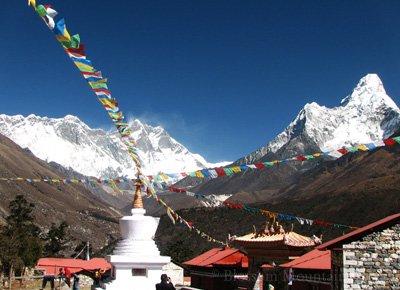
What Is the Everest Panorama Trek? If you dream of trekking in Nepal and experiencing the breathtaking beauty of the Himalayas, Everest Panorama Trekking is an ideal choice. This short and rewarding trek in the Everest Region offers a perfect introduction to Himalayan trekking. Throughout the journey, you will enjoy spectacular mountain scenery, encounter rich Sherpa culture...
Ultimate Himalayan Adventure in Nepal The Everest Base Camp & Gokyo Lakes Trekking in Nepal is one of the most complete and magnificent trekking experiences in the Khumbu Region. This famous journey combines th...
Ultimate High-Altitude Adventure in Nepal The Everest Three Pass Trek in Nepal is the ultimate high-altitude trekking adventure in the Everest Region, perfect for experienced trekkers seeking a true Himalayan chall...
Why Choose Everest Base Camp Trek with Helicopter Return? The Everest Base Camp Trek & Helicopter Tour in Nepal is a perfect short adventure that combines classic trekking with a scenic helicopter return. This Everest Base Camp Trek with helicopter return is ideal for travelers seeking the Everest trekking experience in a shorter time without missing the highlights. With...
Those who want to see the world’s highest peak, Mt. Everest, but are concerned about high altitudes or AMS can find the Everest View Trek a good choice. Most nights are sleep below 4,000 m, and the route allows trekkers to descend to a lower altitude relatively quickly if they feel unwell. It offers breathtaking mountain scenery and an authentic Sherpa cultural experience without the challenges...
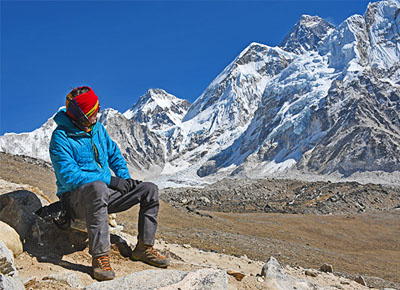
Complete Guide to the Best Trek in Nepal Thousands of trekkers travel to Nepal’s Khumbu region to witness the grandeur of Mount Everest and its neighboring peaks. At Blossom Expeditions, we offer a carefully designed Everest Base Camp Trek itinerary that combines breathtaking landscapes with authentic Sherpa culture. Beyond the towering peaks, this region is rich in traditio...
PO Box No: 21101, Kapan - 12
Phone Tel: 977-1-4810388
Cell: 977 - 9841454462
Email: info@blossomexpeditions.com
ambartg@yahoo.com
Gyandip Lama
556 Tulsa Street, San Lorenza
California, 94580
Tel: 415-694-1388
gyandip_lama2002@yahoo.com