

Trip Facts
- Total Duration 29 days
- Trip Grade Moderate to Strenuous
- Max Altitude 5360m.
- Start From Juphal
- End From Juphal
- Min Size 2 pax
- Max Size 10 pax
- Trip Mode Camping Trekking
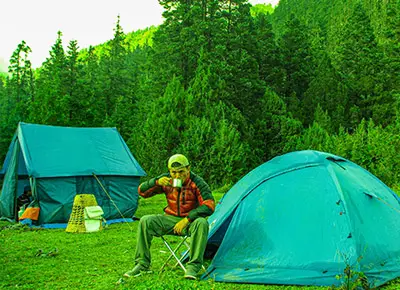
- Accommodation Tent
- Best Season: April to early November
Trip Highlights
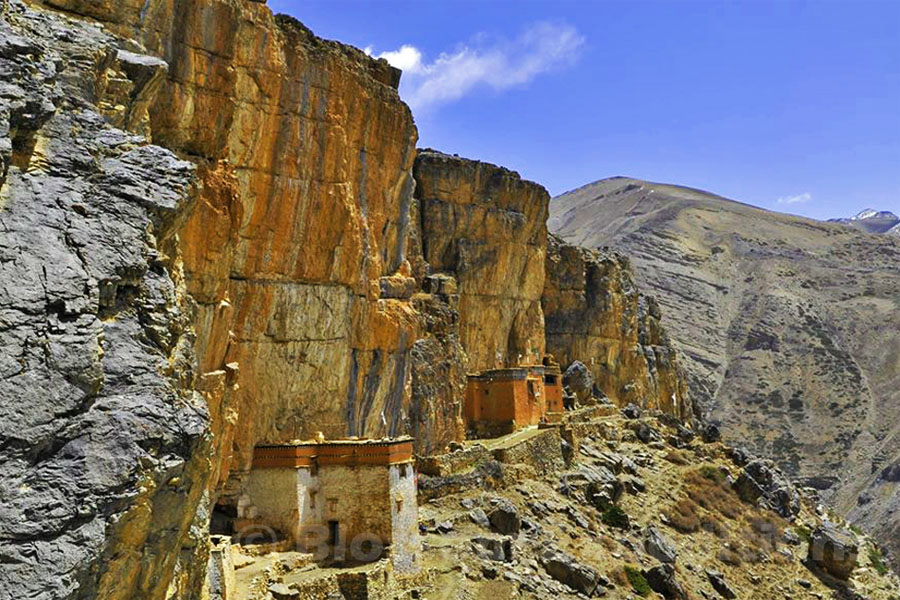
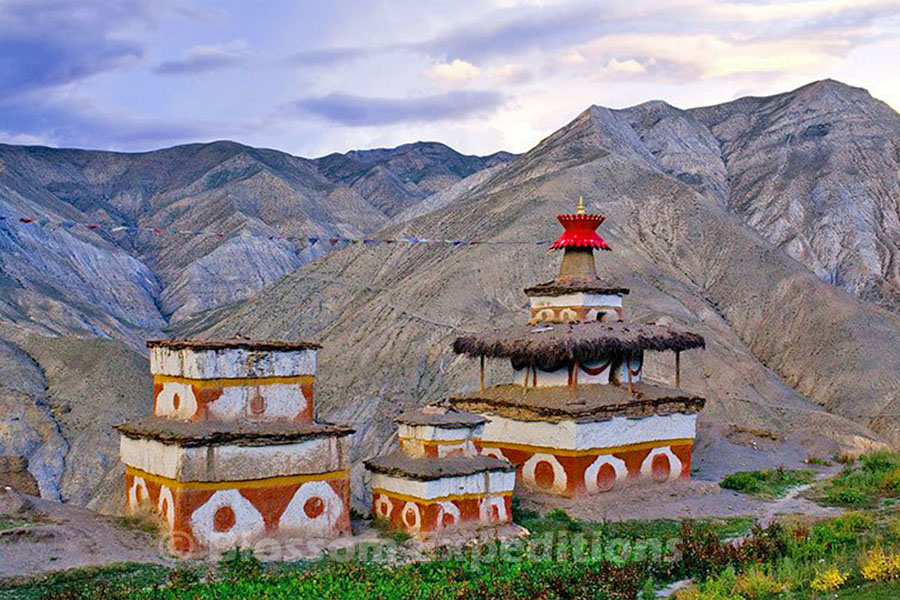
- Tibetan Buddhist & Bon Culture: Explore the living traditions of Tibetan Buddhism and Bon in Upper Dolpo. Visit ancient monasteries, stupas, and sacred sites that preserve centuries-old spiritual practices.
- Himalayan Wildlife & Biodiversity: Trek through forests, valleys, and high-altitude terrain rich in Himalayan wildlife, including the snow leopard and Himalayan blue sheep, along with diverse flora.
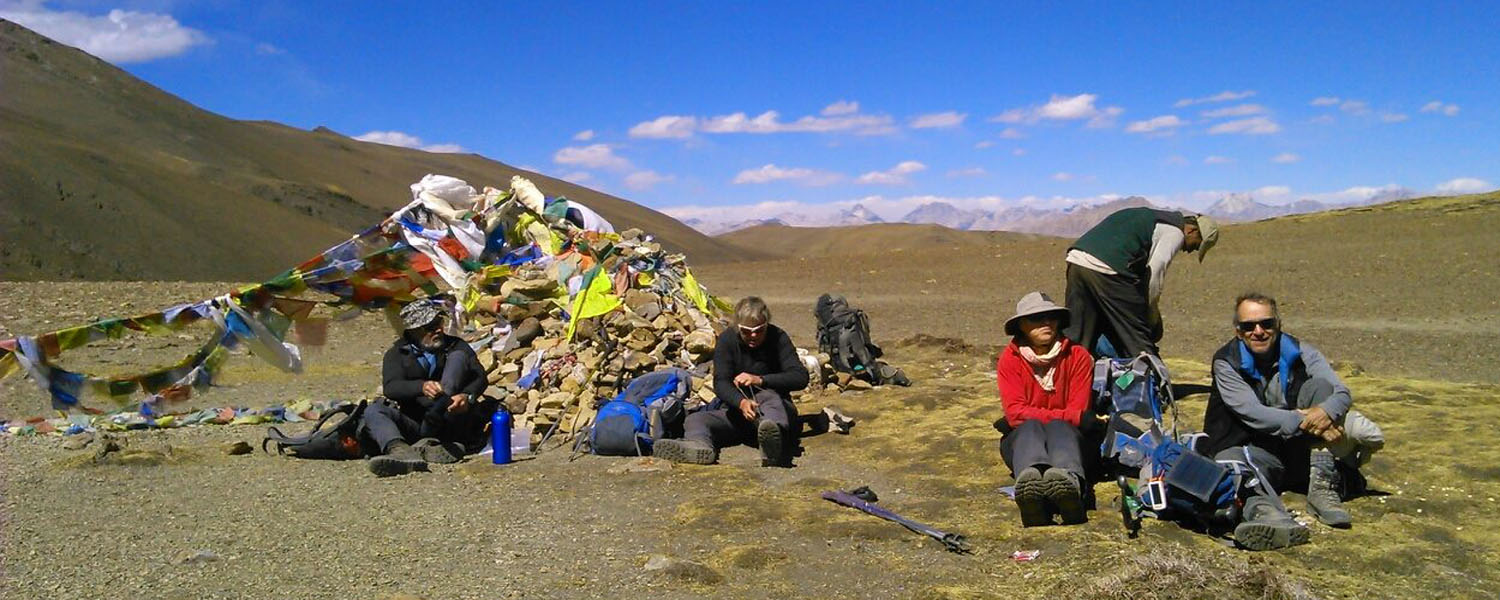
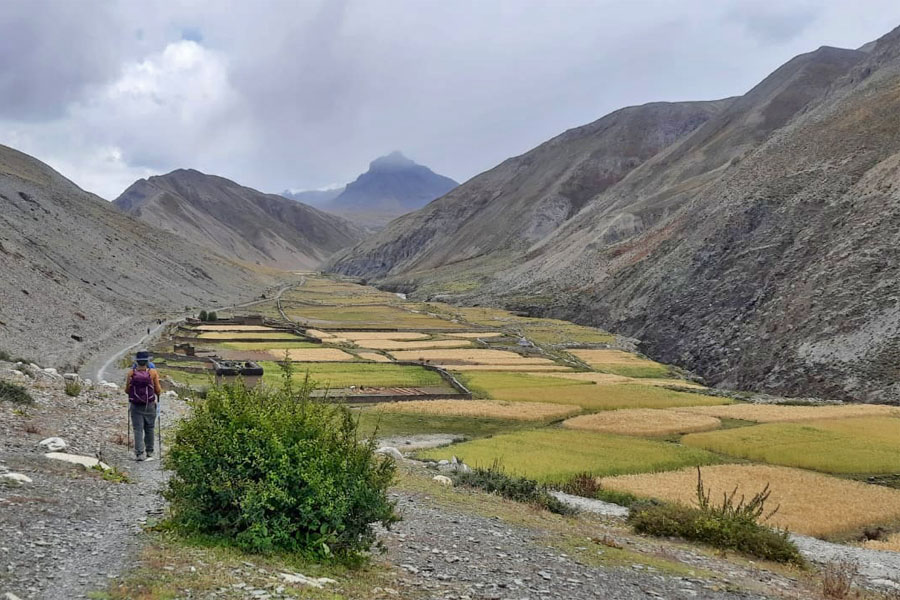
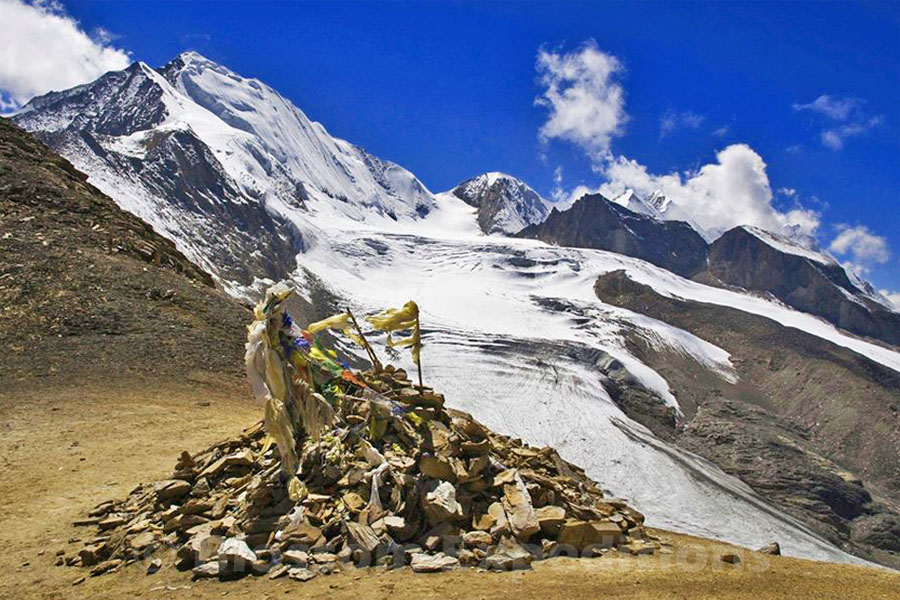
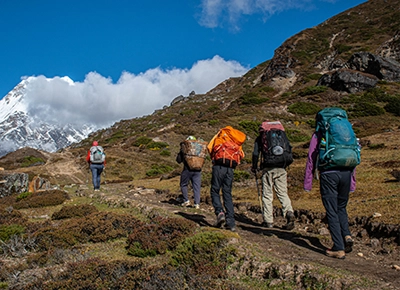
- High Passes & Dramatic Landscapes: Cross challenging Trans-Himalayan passes and enjoy stunning views of snow peaks, rugged valleys, and pristine lakes in one of Nepal’s most remote regions.
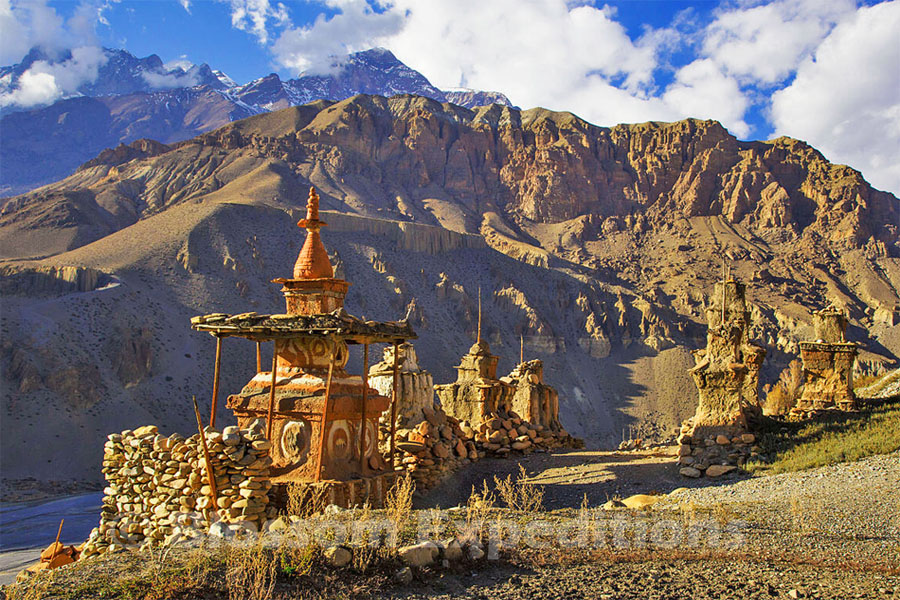
- Traditional Villages & Caravan Trails: Walk through remote villages with Mani walls, chortens, and stone gateways. Witness traditional yak and mule caravans still used for mountain transport.
Remote Himalayan Adventure in Nepal
Upper Dolpo Trekking takes you into one of Nepal’s most remote and highest regions, hidden beyond the Dhaulagiri Himalayan Range in the far west. This pristine land remains largely untouched, preserving its raw landscapes and ancient traditions. Known as a hidden Himalayan sanctuary, Upper Dolpo offers an authentic off-the-beaten-path trekking experience, rich in Tibetan Buddhist and Bon culture.
A Restricted and Untouched Himalayan Region
Due to its isolation and restricted status, Upper Dolpo is open to only a limited number of trekkers. Foreign visitors were first allowed in 1989, making it one of Nepal’s least explored trekking destinations. The region rewards adventurous travelers with solitude, cultural depth, and unspoiled wilderness. Its rugged terrain, high passes, and vast valleys make the Upper Dolpo Trek one of the most unique trekking destinations in Far West Nepal.
Scenic Route and Trekking Highlights
Situated between the Tibetan Plateau and the Dhaulagiri mountain range, the journey reveals spectacular high-altitude landscapes, crystal-clear rivers, and ancient trade routes. The trek begins in Kathmandu, followed by a scenic flight to Juphal via Nepalgunj. From there, the trail ascends through traditional villages, deep gorges, and alpine terrain within Shey Phoksundo National Park.
Phoksundo Lake, Wildlife, and Ancient Culture
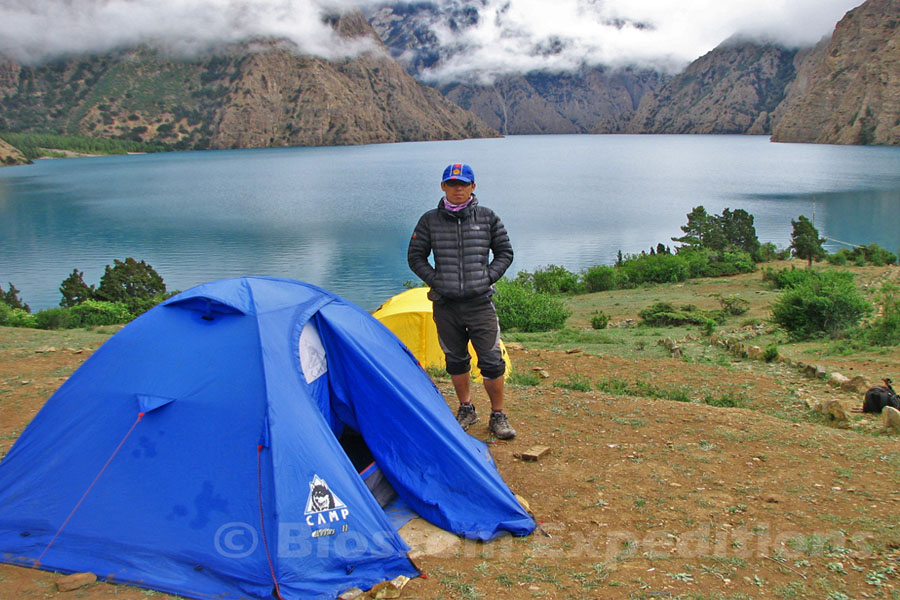
A major highlight is the stunning Phoksundo Lake, famous for its deep turquoise color and dramatic mountain setting. The region is home to rare wildlife such as the Snow Leopard and the Himalayan blue sheep. Trekkers also visit ancient Bon and Buddhist monasteries, offering a rare glimpse into centuries-old spiritual traditions that continue to this day.
Blossom Expeditions offers a safe, well-organized, and tailored Upper Dolpo Trekking itinerary with expert guides and strong logistical support. Join us and discover one of the most rewarding and remote treks in the country.
Trip Itinerary
| Days | Programs |
| 1 | Arrival at Kathmandu (1300m) International Airport, meet our representative and transfer to your hotel. |
| 2 | Sightseeing around Kathmandu: Swayambhunath Stupa, Patan Durbar Square, Pashupatinath Temple, and Boudhanath Stupa |
| 3 | Fly to Nepalgunj |
| 4 | Fly to Jhuphal (2475m.) and trek to Kagani (2413m), 45 mins flight, 3-4 hours Trek |
| 5 | Trek to Rainchi (2940m), 5-6 hours |
| 6 | Trek to Phoksundo Lake (3,611m), 4-5 hours |
| 7 | Acclimatization and rest at Phoksundo Lake |
| 8 | Trek to Sallaghari (36300m), 5-6 hours |
| 9 | Trek to Nangdo la (Kangla La Pass) high Camp (4717m), 5-6 hours |
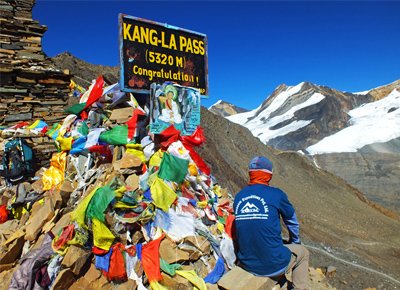
| 10 | Trek to Shay Gompa (4160m.) via Nangdo La Pass (5360m), 6-7 hours |
| 11 | Rest Day |
| 12 | Trek to Namduna (Namgung) Gaun (4430m) via Saldang La (5010m), 6-7 hours |
| 13 | Trek to Saldang (3,620m), 4-5 hours |
| 14 | Trek to Yangjer Gumba (3760m), 4-5 hours |
| 15 | Trek to Shimengaon (3870m), 5-6 hours |
| 16 | Trek to Tinjegaon (4150m), 6-7 hours |
| 17 | Trek to Yak Kharka, 6-7 hours |
| 18 | Trek to Tokyu (4240m), via Choila Pass (5051m), 7-8 hours |
| 19 | Trek to Dho Tarap (3940m), 4-5 hours |
| 20 | Rest Day |
| 21 | Trek to TarapKhola (Kamakharka) (3,800m), 6-7 hours |
| 22 | Trek to Khanigaon (3,150m), 4-5 hours |
| 23 | Trek to Tarakot (2,537m), 4-5 hours |
| 24 | Trek to Dunai (2,140m), 5-6 hours |
| 25 | Trek to Juphal (2475m), 2-3 hours |
| 26 | One Extra day we might need |
| 27 | Fly to Nepalgunj and to Kathmandu |
| 28 | Free Day |
| 29 | Departure to Home |
Trip Cost
Per person USD4985
Single supplementary USD150
Trip Deposit USD1000
(optional single accommodation in KTM only)
What's Included
- Lower/Upper Dolpo trekking permit fees
- Three meals a day (breakfast, lunch, and dinner) with hot drinks
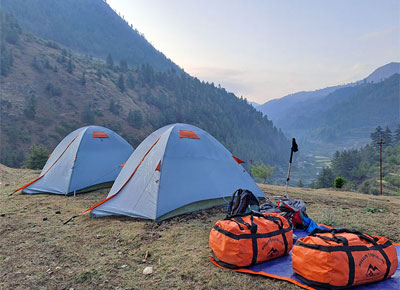
- Accommodation during the trip in tents on a sharing basis
- Guide, assistant guide, and porter’s wages, food, accommodation, and insurance
- Airfare: Kathmandu–Nepalgunj–Kathmandu and Nepalgunj–Juphal–Nepalgunj, including the guide
- Four nights’ accommodation in Kathmandu and one night in Nepalgunj in a tourist-standard hotel
- Airport transfers
- National Park and TIMS card fees
- Staff transfers
- Tour guide and transfers for a day sightseeing.
- Entrance fees for sightseeing.
- All government taxes.
What's Excludes
- Cold and hard drinks, and water
- Food in Kathmandu and Nepalgunj
- Travel insurance, emergency evacuation, and personal medical expenses
- Any donations along the trail and anything not mentioned above
- Field Staff Tips
Trip Gallery
Trip FAQs
What permits are required for the Upper Dolpo Trek?
Upper Dolpo is a restricted trekking region in Nepal, and several permits are mandatory:
- Upper Dolpo Restricted Area Permit (RAP) – Issued by Nepal’s Department of Immigration and required for all trekkers entering Upper Dolpo.
- Lower Dolpo Restricted Area Permit – Required as the route passes through Lower Dolpo.
- Shey Phoksundo National Park Entry Permit – Needed to enter the national park, including Phoksundo Lake and surrounding areas.
Blossom Expeditions arranges all Upper Dolpo trekking permits in advance as part of the trip organization.
Is a guide mandatory for the Upper Dolpo Trek?
Yes. Upper Dolpo is classified as a highly restricted area trekking destination. Solo trekking is not permitted. You must travel with at least two trekkers and a government-licensed trekking guide from a registered agency. This regulation protects the fragile Tibetan culture and ensures safety in this remote Himalayan region.
How much does the Upper Dolpo Restricted Area Permit cost?
The Upper Dolpo RAP fee is USD 500 per person for the first 10 days. After 10 days, the cost is USD 50 per person per day. In addition, the Lower Dolpo permit costs USD 20 per person for a week and then USD 5 per day.
How reliable are flights to Juphal for Upper Dolpo Trekking?
Flights to Juphal Airport operate on small STOL aircraft and are highly weather-dependent. Cloud cover, wind, or poor visibility may cause delays or cancellations. In case of disruption, we arrange the next available flight. Due to the remoteness of Upper Dolpo, we strongly recommend keeping buffer days in your travel schedule.
Can I reach Upper Dolpo by road?
No. There is currently no practical road access to Upper Dolpo. Although rough roads reach parts of Lower Dolpo, Upper Dolpo trekking begins with a flight to Juphal, which remains the safest and most efficient access point.
What is the baggage limit for the Juphal flight?
The domestic flight from Nepalgunj to Juphal allows 15 kg per person, including your hand carry. Since Upper Dolpo is a long camping expedition trek, careful packing is essential. Wearing heavier clothing during the flight helps manage weight restrictions.
How difficult is the Upper Dolpo Trek?
Upper Dolpo Trekking is considered strenuous and high-altitude. The route crosses multiple passes above 5,000 meters, including Kang La and other remote Himalayan passes. While no technical climbing skills are required, excellent fitness, endurance, and proper acclimatization are essential due to altitude and isolation.
Is Upper Dolpo a tea house trek or a camping trek?
Upper Dolpo is a fully supported camping trek. Tea houses are extremely limited and cannot be relied upon. Blossom Expeditions provides expedition-grade tents, a professional kitchen crew, and freshly prepared meals to ensure comfort and safety throughout the journey.
Is there mobile network or Wi-Fi in Upper Dolpo?
There is no reliable mobile network or Wi-Fi in Upper Dolpo. Limited signals may be available near Juphal or Dunai, but connectivity disappears in remote sections. On request, our guides carry satellite communication devices. For that additional cost will be applied
How is drinking water managed during the trek?
To protect the fragile Himalayan environment, plastic-bottled water is not used. Our team provides boiled and filtered drinking water at campsites. Trekkers are advised to carry personal purification tablets or a Steripen as an additional precaution.
What culture and religion will I experience in Upper Dolpo?
Upper Dolpo is one of the last strongholds of Bon Buddhism, Nepal’s ancient pre-Buddhist spiritual tradition. Bon monasteries are identified by counter-clockwise circumambulation, while Buddhist monasteries are walked clockwise. The region offers a rare opportunity to experience preserved Tibetan culture and sacred Himalayan traditions.
Can I photograph monasteries and local people?
Photography is generally allowed during the Upper Dolpo Trek. However, permission should always be requested, especially inside monasteries or during religious ceremonies. Some sites may charge a small fee. Your guide will help ensure respectful cultural interaction.
When is the best time for Upper Dolpo Trekking?
Spring (Late March to May): One of the best seasons for Upper Dolpo Trekking, with stable weather, clear skies, and blooming alpine landscapes. Early spring may still have snow on high passes.
Summer / Monsoon (June to August): Upper Dolpo lies in a rain-shadow region, making it suitable for monsoon trekking. Trails remain relatively dry, though flights may face weather disruptions.
Autumn (September to November): Another prime trekking season with crystal-clear mountain views and pleasant temperatures. Late November may bring colder conditions and early snowfall.
Winter (December to February): Winter trekking is not recommended due to extreme cold and heavy snow blocking high passes.
Trip Highlights
- Tibetan Buddhist & Bon Culture: Explore the living traditions of Tibetan Buddhism and Bon in Upper Dolpo. Visit ancient monasteries, stupas, and sacred sites that preserve centuries-old spiritual practices.
- Himalayan Wildlife & Biodiversity: Trek through forests, valleys, and high-altitude terrain rich in Himalayan wildlife, including the snow leopard and Himalayan blue sheep, along with diverse flora.
- High Passes & Dramatic Landscapes: Cross challenging Trans-Himalayan passes and enjoy stunning views of snow peaks, rugged valleys, and pristine lakes in one of Nepal’s most remote regions.
- Traditional Villages & Caravan Trails: Walk through remote villages with Mani walls, chortens, and stone gateways. Witness traditional yak and mule caravans still used for mountain transport.
Call Us On
You May Also Like
Lower Dolpo Trekking
Upper Mustang Trekking
Nar Phu Trekking
Makalu Base Camp Trek
Jumla Rara Lake Trek