

Trip Facts
- Total Duration 23 days
- Trip Grade Moderate to Strenuous Plus
- Max Altitude 6119m.
- Start From Lukla
- End From Lukla
- Min Size 2 pax
- Max Size 10 pax
- Trip Mode Trekking/Climbing
- Accommodation Tea House/Camping
- Best Season: Sep to Nov and mid March to May
Trip Highlights
- Summit Lobuche Peak (6119m): Experience an exciting Himalayan climbing adventure and reach the summit of one of Nepal’s most popular trekking peaks with spectacular Everest Region views.
- Breathtaking Khumbu Landscapes: Trek through beautiful river valleys, glaciers, alpine trails, and traditional Sherpa villages surrounded by stunning Himalayan scenery.
- Sherpa Culture and Buddhist Heritage: Explore the rich culture of the Khumbu Region with visits to traditional Sherpa settlements, ancient monasteries, and sacred Buddhist stupas.
Lobuche Peak Climbing in the Everest Region
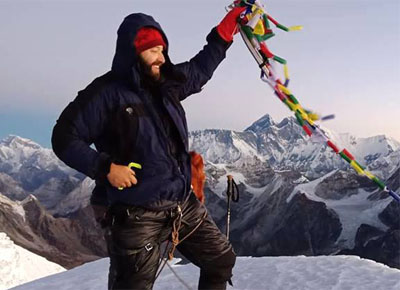
Lobuche Peak (6119m), situated in the high eastern Himalayas of Nepal, is one of the country’s most majestic and popular trekking peaks. Lobuche Peak offers a challenging yet unforgettable climbing experience with sweeping 360-degree views of the grand Himalayan peaks, including Mt. Everest, from the summit. The peak is known for its technical climbing sections, making Lobuche Peak ideal for adventure seekers looking to gain alpine climbing experience in Nepal.
Lobuche Peak Expedition Route and Everest Trek Experience
The Lobuche Peak Climbing expedition starts from Lukla, which is reached after a scenic mountain flight from Kathmandu. The trek follows the classic Everest Base Camp route before connecting with the beautiful Gokyo Valley and Cho La Pass trail.
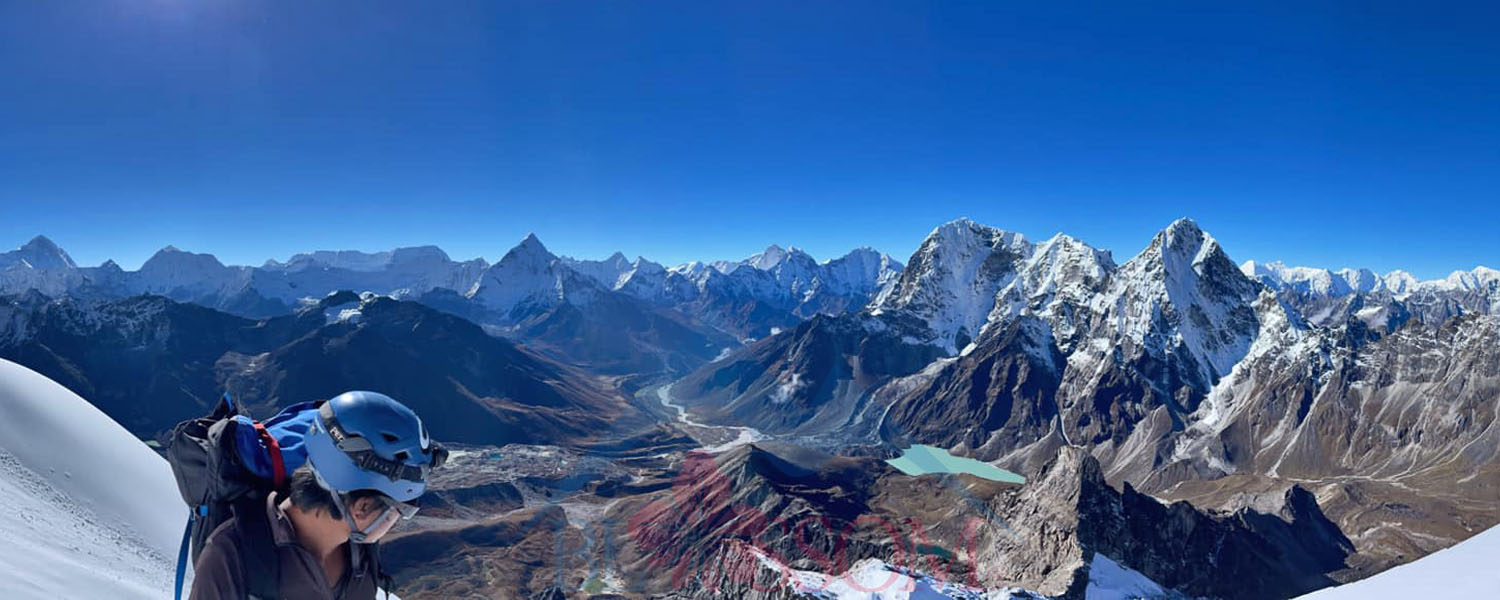
The Gokyo route provides excellent acclimatization opportunities while offering spectacular views of the Khumbu Himalayas. Trekkers can witness four 8,000-meter peaks along with many surrounding mountains. The turquoise glacial lakes of Gokyo Valley are considered among the most beautiful trekking destinations in the Everest Region.
Lobuche Base Camp and Climbing Preparation
Before the summit attempt, climbers spend one or two days at Lobuche Base Camp for acclimatization and climbing preparation. During this time, our experienced climbing guides provide essential mountaineering training on how to properly use crampons, ice axes, ropes, and harnesses.
The normal climbing route follows the southern ridge and usually takes two days. A high camp is established at approximately 5,200 meters before the early-morning summit push. From the summit, climbers enjoy stunning views of Mount Everest, Cho Oyu, Lhotse, Makalu, Ama Dablam, Nuptse, Pumori, Thamserku, Kangtega, Cholatse, Tabuche, and many other peaks, as well as the magnificent Khumbu Valley.
Return Trek Through Sherpa Villages
After the summit, the descent follows the Everest Base Camp trekking trail through traditional Sherpa villages, including Pangboche, Tengboche Monastery, Namche Bazaar, Monjo, and Phakding, before reaching Lukla.
Why Choose Lobuche Peak Climbing in Nepal?
Lobuche Peak Climbing is an excellent choice for climbers seeking a thrilling Himalayan peak climbing adventure in Nepal. The mix of technical climbing, spectacular landscape scenery of the Everest Region, and high-altitude mountaineering experience makes this expedition both challenging and highly rewarding.
Join Blossom Expeditions for an unforgettable Lobuche Peak Climbing adventure in Nepal and experience thrilling alpine climbing in the Himalayas.
Trip Itinerary
| Days | Program |
| 01 | Arrival at Kathmandu (1300m) International Airport, meet our representative and transfer to your hotel. |
| 02 | Preparation in the morning of the trip and afternoon drive to Manthali, 3-4 hours |
| 03 | Fly to Lukla (2860m) and trek to Manzoo (2800 m), 5-6 hours |
| 04 | Trek to Namche Bazaar (3440m), 3-4 hours |
| 05 | Acclimatization day, day hike to Everest view hotel (3890m) |
| 06 | Trek to Dole (4040m), 7-8 hours |
| 07 | Trek to Machhermo (4410m) 3-4 hours |
| 08 | Trek to Gokyo (4770m) 3-4 hours |
| 09 | Climb the Gokyo Peak (5373m) and back to Gokyo and rest |
| 10 | Trek to Thaknak (4626m) 3-4 hours |
| 11 | Trek to Zongla (4800m) via Cho La pass (5420m), 7-8 hours |
| 12 | Trek to Lobuche (4930m), 3-4 hours |
| 13 | Trek early morning to Gorakshep (5160m) and continue climbing the Kala Patar Peak (5545m) and back to Gorakshep, 7-8 hours |
| 14 | Day hike to Everest Base Camp and Trek to Lobuche Peak Base Camp (4815m), 7-8 hours |
| 15 | Rest day, do some practice Climbing |
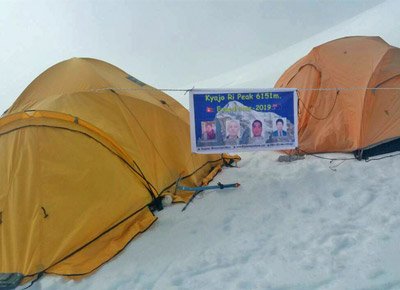
| 16 | Climb to High Camp (5212m), 4-5 hours |
| 17 | Summit the peak (6119m) and return to base camp (4815m), 9-11 hours |
| 18 | Trek to Tyengboche (3860m), 6-7 hours |
| 19 | Trek to Monzoo (2800m), 7-8 hours |
| 20 | Trek to Lukla (2800m), 5-6 hours |
| 21 | Early morning, fly to Manthali and drive to KTM |
| 22 | Free day for Sightseeing in Kathmandu |
| 23 | Departure for Home |
Trip Cost
| Per Person | U.S. $3300 |
| Single Supplement | U.S. $100 |
| Trip Deposit | U.S. $1000 |
Single Supplement in KTM only
What's Included
- Lobuche Peak climbing permit
- Three meals a day (breakfast, lunch, and dinner) with tea/coffee
- Accommodation during the trek and climbing on a sharing basis
- Guide, Climbing, and Porter Wages, food, accommodation, and insurance.
- Climbing guide equipment
- Camping equipment, including tents, one kitchen/dining tent, snow bars, ropes, EP gas, stove, ice screws, and kitchen utensils required at Base Camp and High Camp
- Four nights’ accommodation in a tourist-standard hotel in Kathmandu
- Airfare for you, the guide, and the climbing guide
- Airport transfers
- Personal climbing gear rental
- National Park permit and TIMS card fees
- Garbage deposit fee
- All government taxes
- National Park fee
What's Excludes
- Cold drinks, hard drinks, and bottled water
- Hot showers
- Meals in Kathmandu
- Travel insurance, emergency evacuation, and personal medical expenses
- Donations along the trail and anything not mentioned above
- Guide and transfer services in Kathmandu for sightseeing
- Tips for staff
Trip Equipments
Equipment the Company Provides
- Expedition tents and one kitchen/dining tent
- Snow bars and snow stakes
- Main climbing rope and fixed ropes
- Cooking gas (LPG/EP gas) and stoves
- Ice screws
- Complete kitchen equipment
- Porter clothing (jackets and boots, if required)
- Climbing helmet
- Jumar/ascender
- Ice axe
- Climbing harness
- Belay/rappel device (Figure 8 or ATC). If you have your own, you may use it.
- Crampons (compatible with climbing boots)
- Carabiners (locking and non-locking, as required)
- High-altitude climbing boots
Personal Equipment List
Bags & Storage
- Small daypack (30–40 L)
- Main backpack or expedition duffel bag (80–100 L)
- Waterproof stuff sacks or dry bags
Clothing
- Down or synthetic insulated jacket (expedition weight recommended)
- Waterproof and windproof shell jacket (Gore-Tex)
- Waterproof and windproof shell pants
- Fleece or softshell jacket
- Lightweight and midweight trekking shirts (synthetic or merino wool)
- Base layers (thermal tops and bottoms made of synthetic or merino wool)
- Cotton and polypropylene T-shirts
- Trekking pants
- Warm hat (wool or fleece)
- Sun hat
- Balaclava or buff with ear protection
Hands & Feet
- Inner liner gloves
- Insulated climbing gloves
- Waterproof shell gloves or mittens (Gore-Tex or similar)
- Long gaiters
- Trekking boots
- Camp shoes/sandals
- Thick woolen socks (at least 2 pairs)
- Trekking socks (3–4 pairs)
Sleeping & Hydration
- Four-season sleeping bag (rated to at least -25°C)
- Sleeping bag liner (recommended)
- Insulated water bottles or a hydration bladder
- Thermos flask (recommended for high camps)
Climbing Accessories
- Headlamp with spare batteries
- Sunglasses (UV 400 with glacier protection)
- Ski goggles (recommended for summit day)
- Personal Items & Safety
- Sunscreen (SPF 50+) and lip balm with UV protection
- Personal towel
- Personal first-aid kit and prescribed medications
- Water purification tablets, Steripen, or a filter
- Power bank, battery charger, and multi-plug adapter
- Spare batteries
- Trekking poles
- Earplugs
- Camera/action camera
- Notebook and pen
Note: If you do not have all the above equipment, you can buy or rent it upon arrival in Kathmandu.
Trip Highlights
- Summit Lobuche Peak (6119m): Experience an exciting Himalayan climbing adventure and reach the summit of one of Nepal’s most popular trekking peaks with spectacular Everest Region views.
- Breathtaking Khumbu Landscapes: Trek through beautiful river valleys, glaciers, alpine trails, and traditional Sherpa villages surrounded by stunning Himalayan scenery.
- Sherpa Culture and Buddhist Heritage: Explore the rich culture of the Khumbu Region with visits to traditional Sherpa settlements, ancient monasteries, and sacred Buddhist stupas.
Call Us On
You May Also Like
Chulu West Peak Climbing
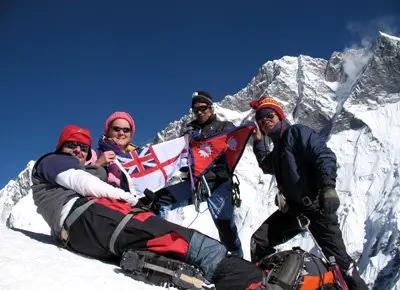
Island Peak Climbing
Naya Kanga Peak Climbing
Pisang Peak Climbing
Tent Peak Climbing
Kyajo Ri Peak Expedition